
The Deepest Dive
Part the Third

For this final part of my analysis on Reuters, I’m focusing on a specific section of the site called The Wider Image, which Reuters describes as its “home for in-depth visual storytelling.” Given my program’s focus on multimedia journalism, this section seemed ideal, as it showcases unique, visually-led stories that merge striking imagery with journalistic insights.
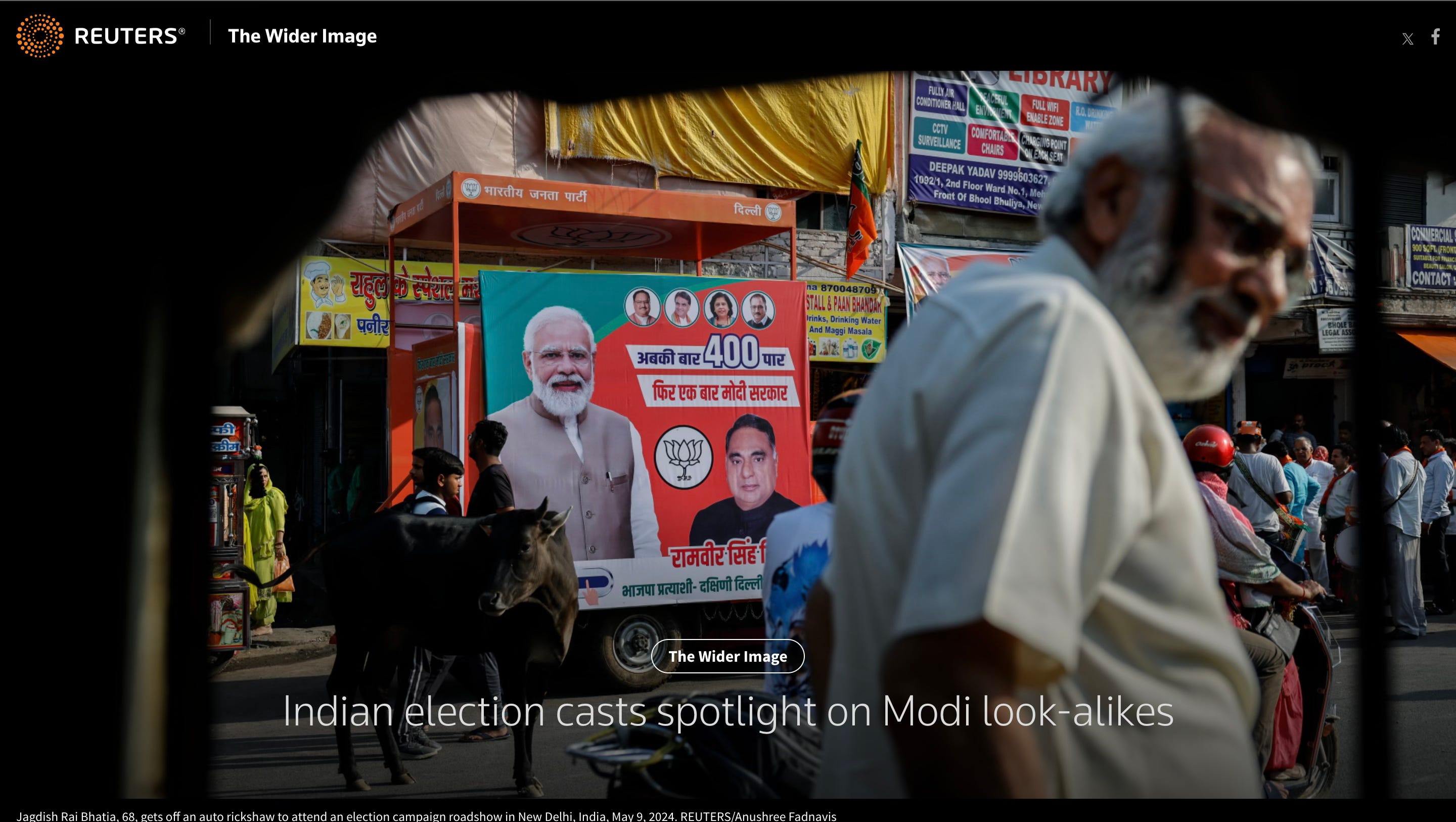
The story from The Wider Image is titled Indian Election Casts Spotlight on Modi Look-Alikes, published ahead of India’s 2024 general elections. The story explores the experiences of two men, Rashid Ahmed and Jagdish Rai Bhatia, who, due to their uncanny resemblance to Prime Minister Narendra Modi, have become local figures in their own communities. Despite their similar appearances, the two men lead very different lives—a contrast that gives the story depth and brings out intriguing social layers in India’s political landscape.

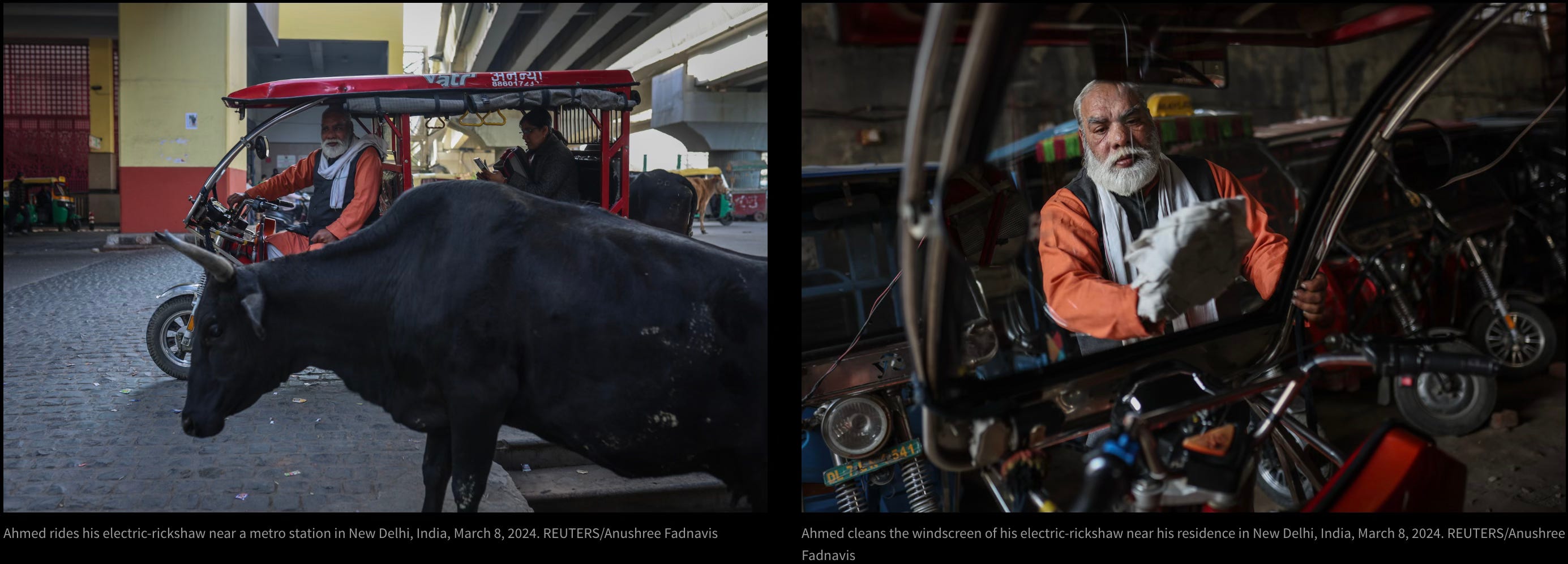
Ahmed, an e-rickshaw driver from Delhi, has kept his look consistent over the years, only recently becoming a local celebrity. Known as “Modi Uncle” to neighborhood children, he even attends rallies for Modi's Bharatiya Janata Party (BJP), earning around 1000 rupees per event—roughly what he earns daily from driving his rickshaw. Though Ahmed is a Muslim, and the BJP has been accused of divisive tactics against the Muslim community, he believes the Prime Minister himself isn’t responsible; rather, he blames the lower ranks of the party for fostering division.

Bhatia, on the other hand, is an established real estate owner in an affluent Delhi neighborhood. Unlike Ahmed, he intentionally modeled his clothing and appearance after Modi, finding that his look aligns with his respect for the Prime Minister's vision. He attends BJP rallies as a Modi double but refuses compensation, considering it a “social service” he performs out of personal admiration. This juxtaposition of two men who share similar appearances but have entirely different relationships with politics and society highlights the diversity within Modi's base, showing how a single figure can mean vastly different things to different individuals.
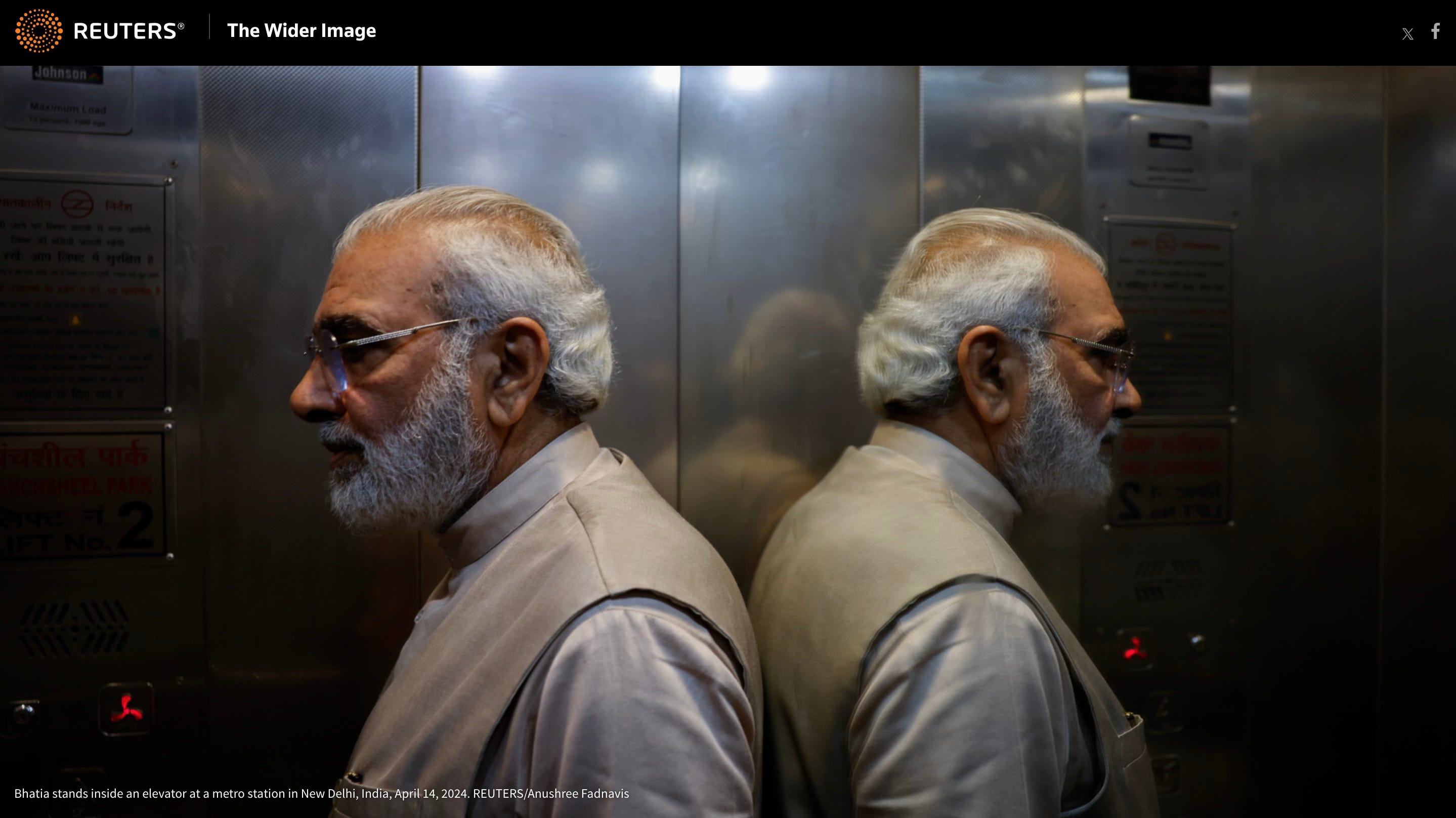
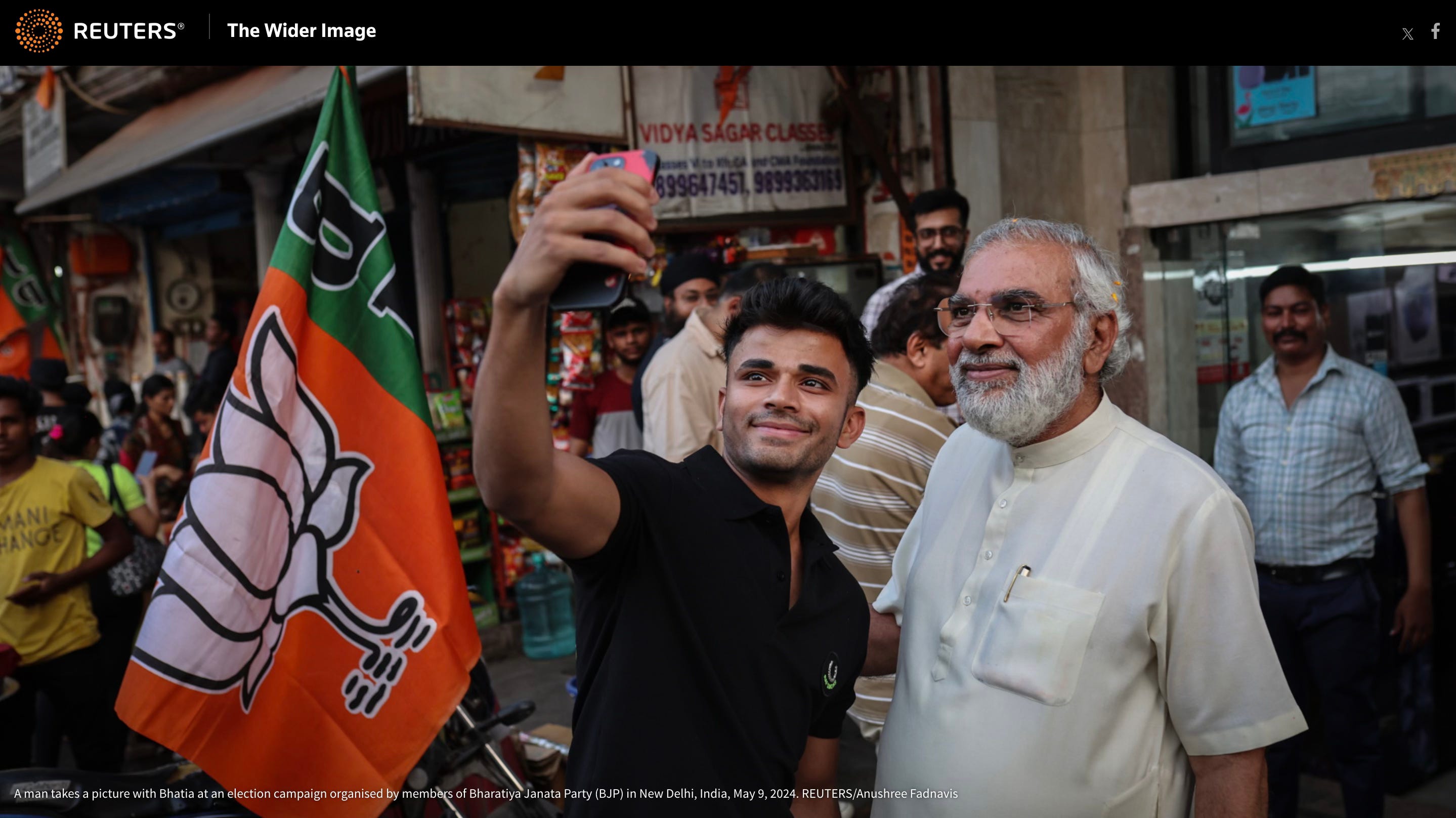
From a multimedia perspective, this particular story is simple, limited to well-chosen standalone photographs of Ahmed and Bhatia as well as two picture slideshows that are integrated smoothly into the article that can be viewed while the reader scrolls downwards. Although it doesn’t incorporate videos, infographics, or other media, this restraint works well here, emphasizing the human element and creating an intimate feel that suits the story’s tone. However, other stories in The Wider Image section incorporate additional multimedia, tailored to the story’s needs. For instance, Tokyo Expands Underground 'Temple' Complex to Counter Climate Change Rains combines videos (as shown below) of flooding within Tokyo’s massive underground “cathedral” with data on climate impacts, heightening the story’s urgency in a way that static images couldn’t achieve.
One surprising aspect of The Wider Image is its limited promotion on Reuters’ social media channels. Given the appeal of these visually striking stories, I expected to see prominent cross-promotion on platforms like Instagram and X (formerly Twitter). However, after checking Reuters’ primary feeds as well as their dedicated sections on X, I found that these stories were largely absent. On Instagram, for example, Reuters shares only around one post a day, focusing on select news items rather than visual stories from The Wider Image. Similarly, X has separate handles for different sections, like Reuters Science News and Reuters World, but doesn’t actively promote visual storytelling content.
Interestingly, Reuters has opted to let readers share stories on their own social accounts, providing share buttons at the bottom of each article. When clicked, these buttons draft the story link directly into a social post on the selected platform, allowing readers to engage with the story by promoting it themselves.
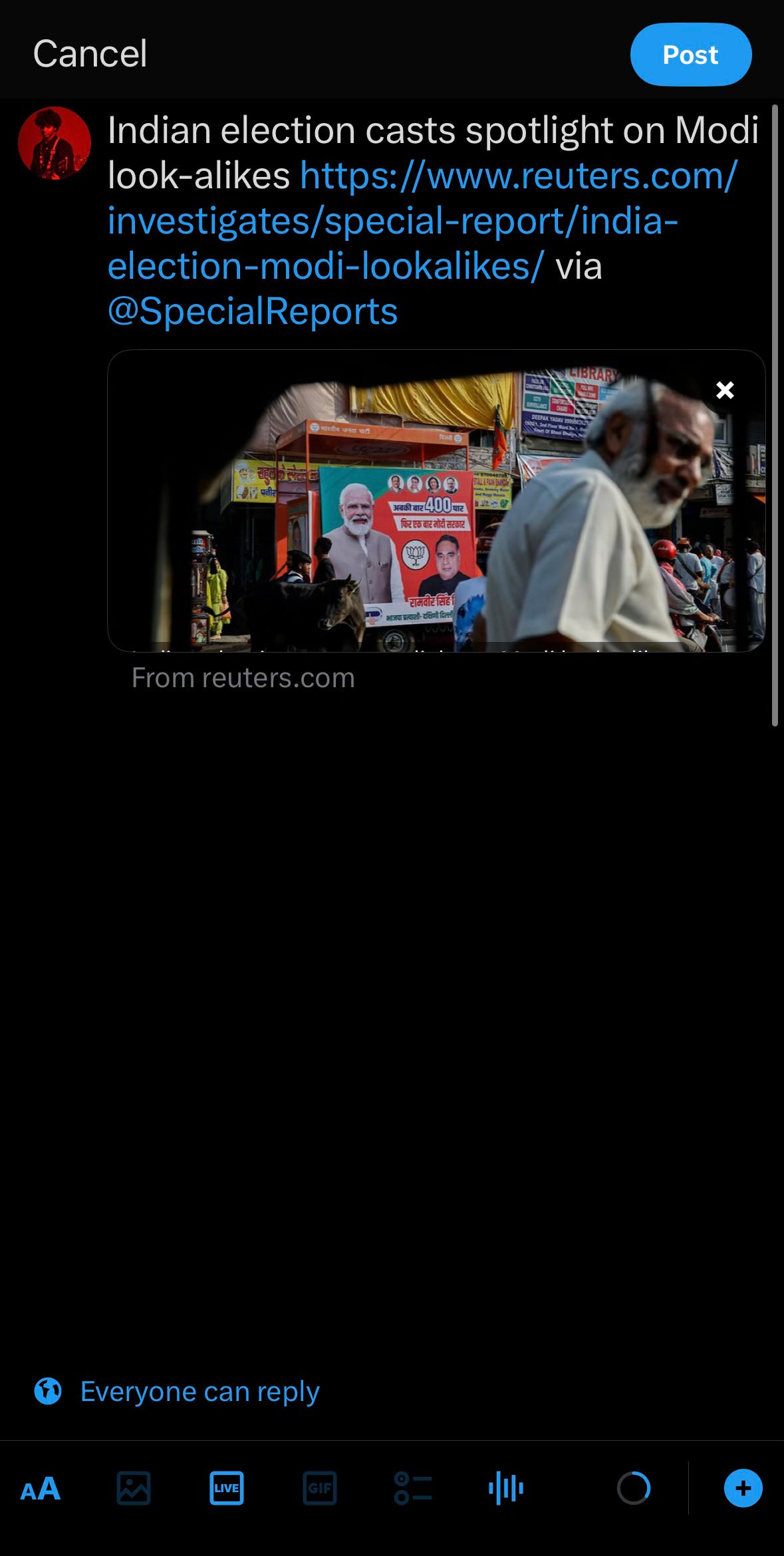
While this strategy has its advantages—such as allowing organic audience-driven sharing—it may limit the visibility of stories from The Wider Image, particularly those that could resonate with a broader social media audience. Increasing Reuters’ social promotion for these visual stories could bring more exposure to this section, allowing readers worldwide to experience these impactful narratives.
Like the way you analyse.